
7 Things to Look for When Hiring an eCommerce SEO
Starting and growing an online store can feel like trying to sell in a crowded market without a sign. You might have great products, but if people can't find them on Google, sales will be hard to grow.
That's where an eCommerce SEO specialist can help.
But hiring the right person takes more than checking if they "know keywords." You want someone who can improve how your store shows up in search and help turn visitors into customers.
Below are seven key things to check so you can pick the right SEO eCommerce agency and get steady growth over time.
Why Hire an eCommerce SEO Specialist?
Online retail changes all the time, and it's harder than ever to get the attention of the right shoppers.
Organic search is still one of the best ways to bring in customers because it can drive steady traffic without paying for every click. But having a website isn't enough. You need to show up when people search.
That's why an eCommerce SEO specialist is a smart hire for serious online stores. These specialists mix technical skills, marketing know-how, and an understanding of how people shop online. Their job is to help your store rank higher in search results, bring in the right visitors, and increase sales.
Without a clear SEO plan, even great products can end up buried deep in search results where most shoppers never look.
Benefits of Professional eCommerce SEO
Hiring a professional eCommerce SEO can help in many ways.
First, it can raise your visibility in organic search so your products appear in front of people who are already shopping for them. This matters because it brings qualified traffic. It brings people who are more likely to buy, which leads to better conversion rates.
Professional SEO also helps build long-term brand trust. Many shoppers see high-ranking sites as more reliable.
On top of that, SEO work often improves site speed, structure, and ease of use, which can improve both rankings and customer experience. Over time, this can support repeat customers and a stronger brand.
7 Things to Look for When Hiring an eCommerce SEO
Choosing the right eCommerce SEO specialist is like choosing someone to guide your store's growth in search. You need the right experience and working style.
Use the points below as your checklist.
1. Proven Track Record of eCommerce SEO Success
The first thing to check is real proof they've helped eCommerce sites before. Many people can call themselves an SEO expert, but a strong candidate can show results that matter to a business.
Look for someone who can explain how their work increased organic traffic, improved conversions, and helped grow revenue. Past results won't guarantee future success, but they are one of the best signs you're talking to the right person.

1.1 Case Studies and Verifiable Results
Ask for case studies focused on eCommerce. These should include clear numbers, such as:
growth in organic traffic (with percentages or timeframes)
improved rankings for buying-intent keywords
changes in conversion rate and/or organic revenue
A useful case study explains the starting situation, what actions were taken, and what results came from that work.
1.2 Client References and Portfolio Review
Ask for references you can contact. A short call with a past client can tell you a lot about communication, reliability, and how problems were handled.
Also review their portfolio. You want to see what platforms and industries they've worked with, and whether they can adapt to different store setups.
2. Deep Understanding of eCommerce Platforms
eCommerce platforms can be complicated, and each one works differently for SEO. A general SEO may know basic best practices, but eCommerce SEO depends on how your platform handles URLs, templates, categories, filters, apps, and code access.
Ask potential agencies about the platforms they work with for example are they specifically Shopify SEO specialists, or do they focus on say WooCommerce or other platforms.
If specialists understand your platform well, they can work faster, avoid mistakes, and choose solutions that actually fit your store.
2.1 Knowledge of Platforms Like Shopify, Magento, WooCommerce, and BigCommerce
Your SEO should know your platform well. Shopify, Magento, WooCommerce, and BigCommerce each come with different strengths and limits.
A good specialist should understand things like:
how the platform creates URLs and handles redirects
what apps or plugins can help (or hurt) SEO
theme limits that affect on-page SEO
built-in SEO settings and how to use them correctly
If they've already worked with your setup, they can start making useful changes without a long learning period.
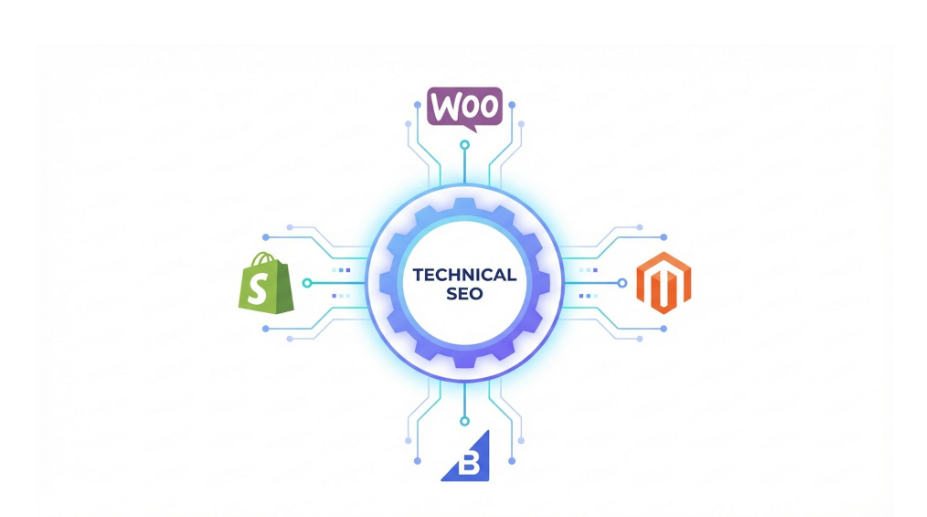
2.2 Handling Technical SEO for Product Pages and Site Structure
Online stores often have hundreds or thousands of pages. Your SEO should be comfortable with technical tasks like:
adding and improving product schema to help rich results show in Google
using canonical tags to reduce duplicate content problems
managing filters (faceted navigation) so Google can crawl the right pages
improving site speed on mobile and desktop
building internal links so important pages get more visibility
3. Transparent and Ethical SEO Practices
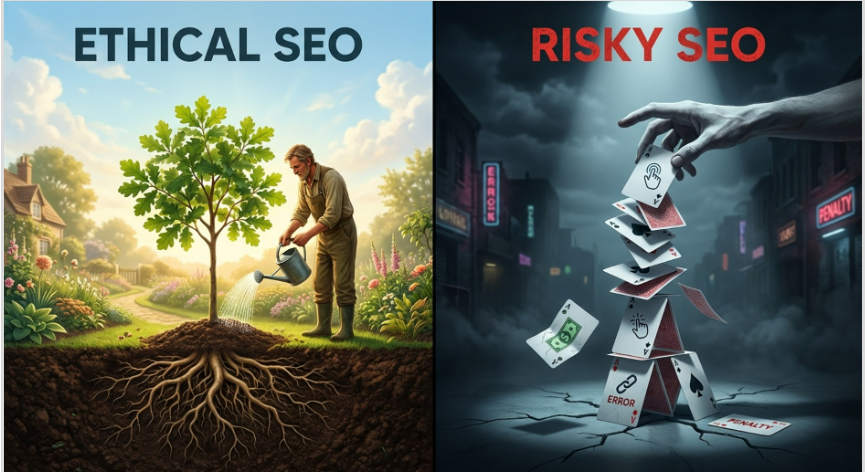
Some SEO providers still use risky tactics that can hurt a site over time. When hiring an eCommerce SEO, make sure they use clear, ethical methods. Short-term tricks can lead to search engine penalties and long-term damage.
A trustworthy SEO will focus on steady progress using methods that follow search engine guidelines. They should also be open about what they're doing and why.
3.1 Avoiding Black Hat Techniques and Spammy Link Building
Avoid anyone who suggests tactics like keyword stuffing, cloaking, PBNs, or link farms. These methods try to "game" search engines. Even if they work briefly, they can lead to major ranking drops later.
A safer approach includes quality content, real outreach for links, and site improvements that help users.
3.2 Openness About Strategies and Reporting Methods
A good SEO explains their plan in plain language.
They should clearly cover:
how they do keyword research
what they will change on pages (titles, content, internal links, etc.)
what technical fixes they recommend
how they approach link building
what they will report on, how often, and with what tools
If you can't get a straight answer about their methods, that's a problem.
4. Customized SEO Strategies for Your Store
No two stores are exactly the same. Even if two businesses sell similar products, they may have different goals, customers, and competitors. A good eCommerce SEO specialist won't push the same plan for every client.
Instead, they should learn about your business and build a plan that matches what you need and how your customers search.
4.1 Tailoring Approaches to Your Business Goals and Audience
Your SEO agency should start by understanding what you want most, such as:
more total revenue
better conversions on key product categories
growth in certain regions or countries
stronger brand visibility
They should also research your audience and their search habits, then build a keyword and content plan that brings in shoppers who are ready to buy.
4.2 Distinguishing Between One-Size-Fits-All and Personalized SEO Plans
Be careful with agencies that sell fixed packages with the same deliverables for everyone. eCommerce SEO often needs different work depending on your catalog size, site issues, competition, and resources.
A personalized plan should include a clear roadmap based on your current performance, your platform, and what will make the biggest impact first.
5. Strong Communication and Reporting Skills
SEO can be confusing if you don't work in it every day. A strong eCommerce SEO agency isn't just good at SEO — they can also explain what's happening in a way that makes sense.
Clear communication helps you stay involved, understand decisions, and feel confident that work is moving in the right direction. Good reporting helps you track progress and return on investment.
5.1 Clarity in Explaining SEO Processes and Results
Your SEO specialist should explain tasks and results without hiding behind buzzwords. They should answer questions clearly and help you understand why certain work matters. This makes it easier for you to make smart choices as the business owner.
5.2 Regular, Actionable Analytics and Performance Reports
Reports should go beyond "rankings went up." Strong reporting often includes:
organic traffic trends
conversions and revenue from organic search
top landing pages and how they perform
technical health items like speed and indexing issues
Good reports also include next steps, not just charts.
6. Up-to-Date With Industry Trends and Algorithm Changes
SEO changes often because Google updates its systems and search results layouts. What worked a year ago may not work now. A strong eCommerce SEO agency keeps learning and adjusts quickly.
This helps protect your rankings and keeps your strategy working even as search engines and platforms change.
6.1 Continuous Learning and Relevant Certifications
Ask how they stay current. For example, do they join SEO events, training, or webinars? Do they have certifications like Google Analytics or platform-related certifications?
Someone who keeps learning is more likely to bring better ideas and avoid outdated tactics.
6.2 Adaptability to Google Updates and New eCommerce Features
Major updates (like Core Web Vitals or product review changes) can affect eCommerce sites. Your SEO should be able to explain what an update means, whether you're affected, and what to do next.
They should also keep up with new features in your eCommerce platform and use them when they support SEO.
7. Realistic Expectations and Commitment to Long-Term Growth
SEO doesn't produce instant wins. It takes time, steady work, and testing. A good eCommerce SEO agency will set honest expectations and avoid big promises that don't match reality.
You want someone focused on stable growth, not quick spikes that disappear after a month.
7.1 Managing Timelines and SEO Results Milestones
A reliable SEO specialist should share a clear plan with realistic timing. Some improvements can show results quickly, but strong gains often take months, especially in competitive markets.
They should explain what progress looks like along the way, so you can see steady movement over time.
7.2 Honesty About Guarantees and Rank Promises
Be cautious if someone guarantees a #1 ranking or promises a specific traffic number in a short period. No one controls Google's algorithm.
A trustworthy SEO will focus on best practices, stronger site quality, and getting more qualified traffic that leads to sales.

Red Flags to Avoid When Hiring an eCommerce SEO
Along with the good signs, there are clear warning signs that can save you from wasted money and damaged rankings. If you see these issues, it's usually best to move on.
1. Guarantees of #1 Rankings
No legitimate SEO can promise the top spot in Google. Rankings depend on many factors and change often. People who guarantee #1 position may use risky tactics that can get your site penalized and cause major traffic loss.
A better SEO will focus on realistic goals like more visibility, more sales-ready traffic, and better conversions.
2. Lack of Transparency on Methods
If an SEO won't explain what they plan to do, or they hide behind unclear technical language, treat it as a warning sign. A good SEO should make their plan easy to understand. Being secretive can hide poor-quality work or unethical tactics that may hurt your store later.
3. Quick-Fix Promises and Unrealistic Timelines
Strong SEO results take time. Be careful with anyone promising big improvements in a few weeks or claiming they have a "secret system." These are often shortcuts that don't last — or they can lead to penalties.
A reliable SEO specialist will explain timelines and focus on steady work that builds lasting results.
4. No Access to Analytics or Clear Reporting
You should always have access to your analytics tools, such as Google Analytics and Google Search Console. If an SEO keeps that access from you, or only shares vague reports with no meaningful numbers, that's a serious problem.
Without clear data and reporting, you can't confirm what's being done or whether it's working.
Finding the Right eCommerce SEO Partner
Hiring the right eCommerce SEO specialist can be the difference between a store that struggles and one that steadily grows.
With so many options out there, it's easy to be swayed by bold promises or polished sales pitches. Therefore, developing a solid framework for cutting through the noise is critical for success.
The effort you put in upfront will pay off when you find a partner who genuinely helps your store reach the right customers and grow.